Ashwagandha: The Evidence, and the Liver Signal
Ashwagandha — Withania somnifera, sold on some labels as Indian ginseng — is the ingredient most likely to be doing something in a men's vitality formula. It is also the ingredient in that formula most likely to require a conversation with a doctor. Both of those are true and they are rarely printed together.
What the trials show
The strongest body of evidence is on stress. Multiple randomised, placebo-controlled human trials have found reductions in serum cortisol and in scores on validated perceived-stress scales, generally using standardised root extracts over six to eight weeks. For a herbal ingredient, that is an unusually respectable evidence base.
There is a smaller and noisier literature on sleep quality, on exercise performance, and on testosterone in men. The testosterone studies are the ones most often cited in marketing and the ones with the most heterogeneous results — small samples, varying populations, varying extracts.
Why stress is the relevant finding here
It is an indirect route and a real one. Chronically elevated cortisol suppresses libido and interferes with sleep, and poor sleep does its own damage to drive and energy. An ingredient that reliably lowers perceived stress is plausibly acting on the actual bottleneck for a lot of people.
What it is not is a direct performance agent. Reporting a cortisol study as though it demonstrated improved sexual performance is a category error, and it is a common one.
The safety signal
Cases of liver injury associated with ashwagandha supplements have been reported and catalogued — including in the National Institutes of Health's own LiverTox database, which maintains a chapter on it. The pattern described is typically a cholestatic or mixed injury appearing weeks after starting, usually resolving after stopping, and occasionally severe.
Two things are true at once. It is uncommon: very large numbers of people take ashwagandha without incident. And it is real enough that several national health bodies have issued consumer advice about it. Both halves matter.
Who should not take it without asking first
- Anyone with existing liver disease or unexplained abnormal liver tests.
- Anyone taking medication metabolised by the liver, or several medicines at once.
- Anyone who drinks heavily.
- Anyone with a thyroid condition — ashwagandha can affect thyroid hormone levels, which matters if yours are being managed.
- Anyone on sedatives or immunosuppressants, where interactions are plausible.
- Anyone pregnant. This is a firm one.
What to watch for if you do take it
Unexplained fatigue, nausea, loss of appetite, itching, dark urine or any yellowing of the skin or eyes. Any of those, stop and see a doctor and tell them what you have been taking — supplements are frequently left out of that conversation, which makes them harder to identify as the cause.
The balanced summary
Ashwagandha earns its place in a formula like this on the evidence, which is better than almost anything else on the label. It also carries a documented, uncommon risk that most pages selling it omit. Knowing both is what lets you make an actual decision rather than absorb a recommendation.
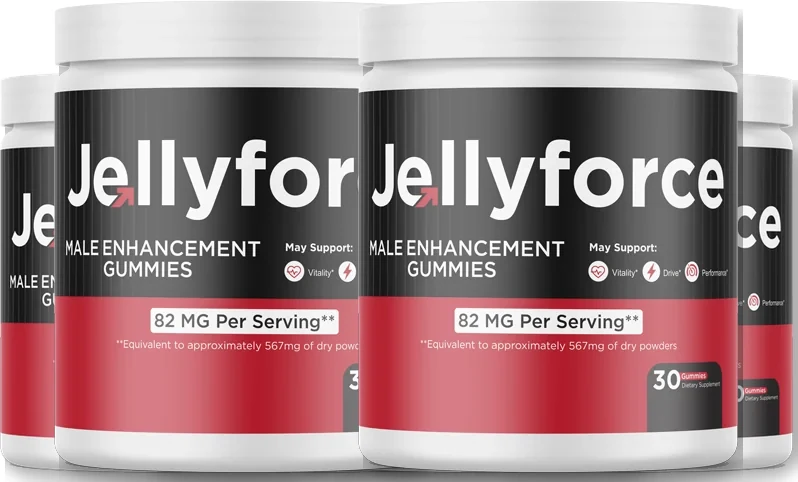
See the current Jelly Force price
Official store pricing, free US shipping on 3 and 6 bottles, 60-day money-back guarantee.
Order NowFrequently asked questions
Is ashwagandha safe?
For most people, at ordinary doses, it is well tolerated. There is a documented and uncommon association with liver injury, catalogued in NIH's LiverTox, which is why anyone with liver disease, on liver-metabolised medication, or drinking heavily should ask a doctor first.
Does ashwagandha raise testosterone?
The testosterone literature is small and mixed. The strong, repeated finding is on cortisol and perceived stress — which can affect drive by a different and more indirect route.
How long before it does anything?
The trials generally run six to eight weeks. It is not a single-dose ingredient, and judging it in the first fortnight is judging the ramp-up.
Can I take it with my medication?
Ask a pharmacist. Thyroid medication, sedatives and immunosuppressants are the interactions most often flagged, and ashwagandha's liver signal makes the question more than theoretical.