Gut Health Supplements Digestive Enzymes: Beyond Deficiency
Quick answer
Digestive enzyme supplements have strong evidence in exactly two situations, and both of them require a diagnosis first: prescription pancreatic enzyme replacement for exocrine pancreatic insufficiency, and lactase for lactose intolerance. For everybody else, the trials behind broad-spectrum enzyme blends are small, short and inconsistent, which is why an honest page cannot promise you relief from ordinary bloating.
- Well evidenced: pancreatic enzyme replacement and lactase, both for identified conditions.
- Plausible but narrow: alpha-galactosidase before beans, lactase before dairy.
- Weakly evidenced: multi-enzyme blends taken daily for general digestion or bloating with no identified cause.
Your pancreas already makes digestive enzymes, in quantities that are hard to beat. A healthy adult secretes a very large surplus of them every day, which is the reason people can lose a substantial fraction of pancreatic function before any symptom appears. That surplus is the fact the supplement category has to argue around, and it usually does so by not mentioning it.
That does not make enzyme supplements pointless. It makes them narrow. Anyone comparing gut health supplements digestive enzymes options is really asking one question: am I short of something, or am I topping up a system that is already running a surplus. Below is what the human evidence supports, where it stops, and how to work out which side of the line your own situation falls on.
What enzymes actually do, in one paragraph
Food arrives as long molecules that cannot cross the intestinal wall. Enzymes cut them into pieces small enough to absorb. Amylase handles starch, protease handles protein, lipase handles fat, and lactase splits the milk sugar lactose. Most of this work happens in the small intestine using enzymes secreted by the pancreas, with additional enzymes anchored in the brush border of the intestinal lining. Saliva and stomach acid start the job; the pancreas finishes it.
Because that system runs with a wide margin, adding more enzymes to a healthy one is closer to adding water to a full glass than to filling an empty one. The interesting question is therefore never whether enzymes work. It is whether your particular glass is short.

The two uses with real evidence behind them
Pancreatic enzyme replacement therapy. When the pancreas genuinely cannot produce enough enzyme — in chronic pancreatitis, cystic fibrosis, after pancreatic surgery, or in some pancreatic cancers — replacing it works, and works well. Fat absorption improves, weight stabilises, and the fatty, floating, foul-smelling stools that characterise the condition resolve. This is not a supplement. It is a prescription medicine with a verified lipase content per capsule, an enteric coating so it survives stomach acid, and a dose set against meal size by a clinician.
Lactase for lactose intolerance. Here the deficiency is specific and common, and the fix is specific too. Lactase taken with dairy reduces the symptoms that follow, and the mechanism is not in doubt. This is the one enzyme most people can buy off a shelf and expect a sensible result from, provided they actually have lactose intolerance rather than an assumption about it.
Notice what both have in common. A named deficiency, a matched enzyme, and a measurable outcome. That is the template. Nothing else in the category meets it.
Where gut health supplements digestive enzymes claims run out
Walk into any pharmacy and the shelf is not selling pancreatic replacement or plain lactase. It is selling a capsule containing eight to eighteen enzymes at once, marketed for bloating, heaviness after meals, and a general sense that digestion could be better.
The evidence for that product is genuinely thin. Trials exist, but they tend to be small, run for weeks rather than months, use different blends at different activities, and measure subjective symptom scores that respond strongly to placebo — and digestive symptoms are among the most placebo-responsive endpoints in medicine. Pooled conclusions across those studies do not support a confident claim.
There is also a mechanical problem that gets ignored. Enzymes are proteins. Stomach acid and your own proteases degrade them, which is precisely why prescription pancreatic enzymes are enteric coated. Many shelf blends are not, or do not say. An enzyme destroyed before it reaches the small intestine has delivered nothing regardless of how impressive its label activity looked.
Where to buy supplements without the guesswork
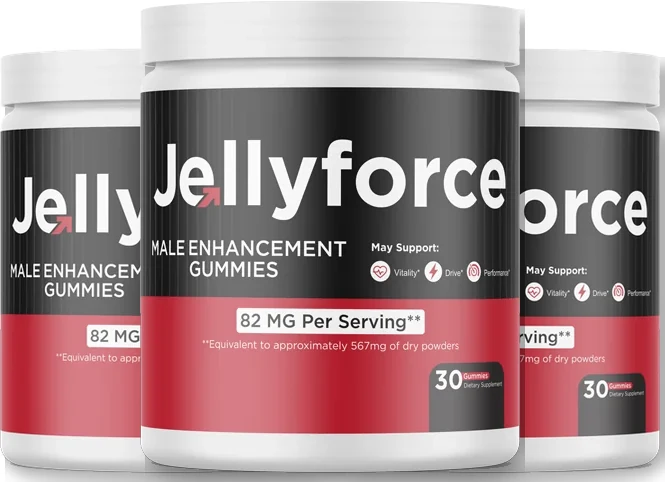
The same label discipline applies everywhere. Our Jelly Force page sets out which of its named botanicals carry human trial evidence and which are there for the name, and the official store is where the current pricing and guarantee terms are published.
See The Official StoreUnits, potency and why brands cannot be compared
This is the detail that turns most enzyme shopping into a coin toss. Enzyme strength is expressed in activity units, not milligrams, because what matters is how much substrate the enzyme converts rather than how much protein is present. Fair enough. The problem is that several competing unit systems are in use, some proprietary, and they are not interconvertible without knowing the assay conditions.
So a capsule declaring a large number of protease units may be weaker in practice than one declaring a smaller number in a different system. There is no honest way for a shopper to rank them. Anyone ranking the best gut health supplement for bloating on the basis of those numbers is ranking on noise.
| Product | Regulated as | Target problem | When taken | Evidence strength |
|---|---|---|---|---|
| Pancreatic enzyme replacement | Prescription medicine | Exocrine pancreatic insufficiency | With every meal, dose set clinically | Strong |
| Lactase | Dietary supplement | Lactose intolerance | With the first bite of dairy | Strong for that use |
| Alpha-galactosidase | Dietary supplement | Gas from beans and cruciferous vegetables | With the first bite | Moderate, narrow |
| Broad multi-enzyme blend | Dietary supplement | General bloating, heaviness | Daily with meals | Weak and inconsistent |
| Bromelain or papain alone | Dietary supplement | Protein digestion, marketed widely | With meals | Limited for digestive endpoints |
| Enzyme blend inside a multi-purpose gummy | Dietary supplement | Marketed generally | Daily | Amounts usually far below studied activity |
The honest sentence for most of this category is that the product has not been tested as sold. Trials test defined enzymes at defined activities. A finished eighteen-enzyme blend is a different thing from any of them, and the research it cites was not run on it.
The format problem that no manufacturer can engineer around
The same arithmetic that undermines amino acids in confectionery applies here. Enzymes need to arrive in the small intestine in quantity and intact. Prescription formulations solve this with enteric microspheres and a verified lipase count. A chewable or a gummy generally cannot, because heat, moisture, sugar and the absence of acid protection are all working against protein stability, and because the total actives in a gummy serving are measured in hundreds of milligrams across every ingredient on the label combined.
We made the same point about amino acids in our piece on L-arginine and the dose gap, and it is worth repeating in this context because the logic is identical: format constrains dose, and dose is what the trials were run on. Reading the milligram column before the marketing column is the single most useful habit in this whole category.
What this cannot do, stated plainly
- No dietary supplement treats, cures or prevents any disease. Enzyme capsules do not treat coeliac disease, inflammatory bowel disease, pancreatic insufficiency or irritable bowel syndrome. If you have any of those, or think you might, the supplement aisle is the wrong aisle.
- Gluten-digesting enzymes do not make gluten safe. This is the most consequential misunderstanding in the category. Products marketed for gluten breakdown cannot protect a person with coeliac disease from the immune response to gluten, and relying on one in place of a strict gluten-free diet is genuinely harmful.
- They cannot substitute for a diagnosis. Persistent bloating, unintentional weight loss, changes in stool, blood, or new symptoms after forty are reasons to see a clinician. Masking them with a capsule for six months is the real risk in this category, and it is far more common than any side effect.
- They do not compensate for a low-fibre diet. Enzymes act on what you eat; they do not change what you eat.
- Amounts inside multi-purpose products are usually token. An enzyme named on a blended label is often present at a fraction of any studied activity.
A sensible way to test whether they help you
If your symptoms are food-linked and reproducible, enzymes are worth a structured trial. If they are diffuse and constant, they are not. That single distinction does more sorting than any amount of gut health supplements digestive enzymes marketing copy.
Start by identifying the trigger rather than the product. Keep a plain food and symptom log for two weeks, without changing anything, and look for a pattern. Dairy pointing at lactose, legumes pointing at galacto-oligosaccharides and wheat pointing at fructans are the three that come up most often. Then match a single enzyme to the single trigger, take it with the first bite rather than after the meal, and compare the same meal with and without it more than once. One good result proves nothing; three do.
If a broad blend is what you have, give it a fair window of four to six weeks and be honest at the end. Digestive symptoms fluctuate on their own, so a good fortnight in the middle is not a result. And if the answer is no clear change, accept it and stop. That is a successful test, not a failed one.
How to read the label before you pay
- Is each enzyme listed with its own activity value? A blend that gives one combined weight for eighteen enzymes has told you nothing.
- Is there acid protection? Enteric coating or delayed release, stated explicitly. Silence usually means no.
- Does the product target something you have identified? Lactase for dairy, alpha-galactosidase for beans. If it targets everything, it targets nothing in particular.
- Is the claim structure-function language? Support and may help are permitted. Anything asserting a condition will improve is a claim the seller cannot make.
- Is there third-party verification? Independent testing of identity and potency is the only reason to trust an activity number at all.
Those five checks will serve you better than any list of the best gut health supplement brands, because they test the product rather than the marketing around it. They also apply, unchanged, to the probiotic and amino acid shelves — the same reasoning runs through our look at gut supplements and eczema evidence.
See the current Jelly Force price
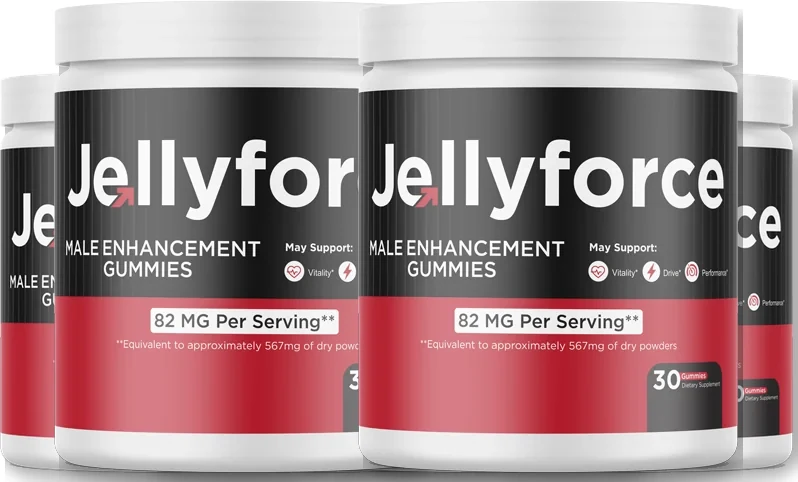
Official store pricing, free US shipping on 3 and 6 bottles, 60-day money-back guarantee. We publish the label arithmetic alongside the ingredient evidence.
Order NowFrequently asked questions
Do digestive enzyme supplements work if you have no diagnosed deficiency?
The evidence is thin. Two uses are well established and both require a diagnosis: prescription pancreatic enzyme replacement for exocrine pancreatic insufficiency, and lactase for lactose intolerance. Outside those, trials of broad-spectrum enzyme blends in people with ordinary bloating are small, short and inconsistent, so no confident claim can be made.
What is the difference between prescription pancreatic enzymes and shelf blends?
Prescription pancreatic enzyme replacement is a regulated drug with a verified lipase content per capsule, enteric protection so it survives stomach acid, and dosing set by a clinician. A shelf blend is a dietary supplement, is not required to prove potency at the point of use, and typically declares activity in units that cannot be compared between brands.
Will a digestive enzyme supplement help with bloating?
It may help if the bloating is caused by a specific sugar you cannot digest, which is why lactase before dairy and alpha-galactosidase before beans are the two shelf products with a plausible mechanism. For bloating without an identified trigger, the evidence for broad enzyme blends does not support an expectation of relief.
Are digestive enzyme supplements safe to take every day?
Most healthy adults tolerate them, with mild digestive upset the usual complaint. The larger risk is indirect: using an enzyme capsule to manage persistent symptoms can delay a diagnosis of coeliac disease, pancreatic insufficiency or inflammatory bowel disease. Persistent or new digestive symptoms should be assessed by a clinician first.