How to Curb Cravings Naturally, Without Reaching for Ozempic
Quick answer
You can curb cravings naturally by making them biologically unnecessary: front-load protein and soluble fiber at meals, keep blood sugar steady, protect your sleep, and manage stress before it becomes a snack. Supplements such as glucomannan, berberine and chromium can support the effort, but they work alongside habits, not instead of them.
- Fill up first: protein and soluble fiber like glucomannan blunt hunger between meals.
- Steady the fuel: stabilizing blood sugar removes the crash that triggers cravings.
- Fix the basics: poor sleep and unmanaged stress raise appetite hormones no pill can outrun.
A craving is not a character flaw. It is a signal, and most of the time it is a signal that something upstream has gone wrong: you skipped protein at breakfast, your blood sugar spiked and dropped, you slept six hours instead of eight, or you hit four o'clock with a cortisol load and no plan. Learning to curb cravings naturally is mostly about closing those gaps so the signal never fires in the first place. That is a very different project from grinding through hunger on willpower, and it is the reason so many people burn out on the willpower version.
Prescription GLP-1 drugs like semaglutide have made appetite the headline of every weight conversation, and for some people, under a clinician's care, they are the right tool. But they are not the only lever on appetite, and for a lot of readers they are not an available or desirable one. The good news is that the same biology those drugs borrow — fullness signalling, slowed stomach emptying, steadier blood sugar — responds to food, sleep and a handful of well-studied supplements too. This article is the practical version of that, with realistic expectations attached.
Why cravings happen in the first place
Appetite is governed by a conversation between your gut, your fat tissue and your brain, carried by hormones. When you eat, stretch receptors in the stomach and hormones such as GLP-1, PYY and cholecystokinin tell the brain you are full. Between meals, ghrelin rises and tells you to eat again. Insulin and blood glucose swing up after a meal and settle back down. When those swings are gentle, hunger is manageable. When they are violent — a large refined-carb meal, a sugary drink, a long gap, then a crash — the brain reads the drop as an emergency and demands fast energy. That demand feels like a craving for something sweet or starchy, because those are exactly the foods that reverse the crash fastest.
So the first insight is uncomfortable and freeing at the same time: many cravings are manufactured by the previous meal. Fix the shape of your meals and a surprising share of your cravings simply stop showing up. Nothing about that requires a prescription.
A simple system to curb cravings naturally
Here is the order that matters, from most powerful to least. Work down the list, and do not skip to the supplements at the bottom before you have done the work at the top, because that is the mistake that makes people conclude “nothing works.”
1. Protein first, at every meal
Protein is the most satiating of the three macronutrients, gram for gram. It triggers fullness hormones, blunts the post-meal blood-sugar spike when eaten alongside carbohydrate, and is expensive for the body to store as fat. Aim for a palm-sized portion — roughly 25 to 40 grams — at breakfast especially, because a protein-poor breakfast sets up an afternoon of grazing. People who move their breakfast from cereal or a pastry to eggs, Greek yogurt or a protein shake routinely report that the mid-morning cookie run disappears on its own.
2. Soluble fiber to physically fill you up
Fiber is the other heavyweight. Soluble, viscous fibers absorb water and form a gel in the stomach, which slows gastric emptying and increases the sense of fullness that follows a meal. Glucomannan, a fiber from the konjac root, is one of the most studied of these for appetite, precisely because it is so viscous. Taken with a full glass of water before a meal, it takes up space and takes the edge off hunger. We go deep on the mechanism and the sensible dose in our companion piece on glucomannan and appetite control, but the headline is simple: viscous fiber is one of the few non-prescription tools with a plausible, repeatable fullness effect.
3. Steady blood sugar across the day
Cravings ride on blood-sugar volatility. You flatten those swings by pairing carbohydrates with protein, fat and fiber rather than eating them naked; by choosing slower carbohydrates (whole grains, legumes, fruit) over refined ones; and by not letting yourself get ravenous, because a ravenous person makes worse choices than a merely hungry one. Some people find that a short walk after meals noticeably blunts the glucose spike, which is free and worth trying.
4. Sleep, the appetite lever everyone ignores
This one is not optional and it is not negotiable. A single short night raises ghrelin and lowers leptin, the exact hormonal combination that increases hunger, and it does so with a documented preference for calorie-dense, high-carb foods. You cannot out-supplement a sleep deficit. If you are averaging six hours and fighting 3pm sugar cravings, the highest-leverage change on this entire page is getting to seven or eight.
5. Manage stress before it reaches your mouth
Stress eating is real physiology, not weakness. Chronic stress keeps cortisol elevated, which is associated with appetite for palatable, energy-dense food. The fix is not a supplement; it is a five-minute buffer between the stressor and the kitchen — a walk, breathing, a glass of water, a phone call — long enough for the impulse to pass. Most cravings have a half-life of minutes.
Where a fiber-forward gummy fits in
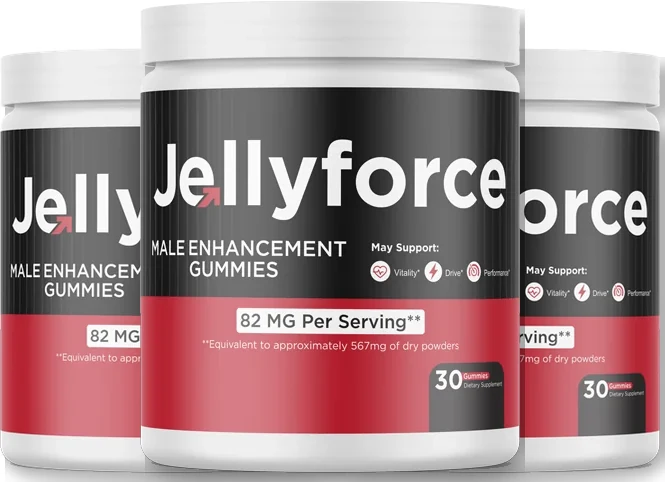
Jelly Force is a daily weight-support gummy built around appetite and blood-sugar levers rather than stimulants. It is designed to support the habits above — a fullness cushion between meals — not to replace them. See exactly what is in it and the current price at the official store.
See The Official StoreWhich supplements actually help — and how much
Once the food, sleep and stress foundation is in place, supplements can add a modest, useful edge. Note the word modest. Anything promising drug-like appetite loss from a capsule is overselling. Here is the honest hierarchy.
| Ingredient | How it is meant to work | Realistic effect | Stimulant? |
|---|---|---|---|
| Glucomannan (soluble fiber) | Gels in the stomach, slows emptying, increases fullness | Modest but repeatable fullness between meals | No |
| Protein (whole food or powder) | Triggers satiety hormones, blunts glucose spikes | Among the strongest appetite levers available | No |
| Berberine | Supports insulin signalling and steadier blood sugar | Gradual, works over weeks; see the trial data | No |
| Chromium | Cofactor in insulin action; studied for carb cravings | Small and inconsistent across studies | No |
| Green tea extract | Catechins plus caffeine may nudge appetite and metabolism | Minor; caffeine content varies | Yes, unless decaffeinated |
Two of these deserve a second sentence. Berberine has drawn attention because it touches the same blood-sugar biology that appetite rides on; if you want the measured version of that story, our review of what the berberine and GLP-1 trials actually show is the place to calibrate expectations. And if your cravings arrived alongside a slower metabolism in your forties, the levers shift slightly — we cover that in supporting your metabolism after 40.
Three myths that keep people stuck
Before you spend money or effort, clear these out of the way. Each one quietly sabotages people who are genuinely trying.
Myth 1: “I just need more willpower”
Willpower is a real but finite resource, and treating appetite as a willpower problem guarantees you will run out. The people who look disciplined are usually the people who engineered their environment and their meals so that less discipline is required. They are not grinding harder; they set up the board so the craving never lands. That is what this whole article is: environment and biology first, willpower as the small remainder.
Myth 2: “If it's not a drug, it does nothing”
This is overcorrection. GLP-1 medications are impressive, and the marketing around them has made everything else sound like sugar pills by comparison. But the idea that only a prescription can touch appetite ignores decades of nutrition science on protein, fiber and blood sugar. The effect sizes are smaller than a drug, yes. Smaller is not zero, and stacked together — better breakfast, viscous fiber, real sleep — the combined effect is meaningful and free of the cost, access and side-effect issues of medication.
Myth 3: “A supplement will do the whole job”
The mirror-image error. A fiber gummy taken before a fast-food meal, on four hours of sleep, in a week of unrelenting stress, is being asked to do something no supplement can do. Supplements support a working system. They cannot build one. If you take one honest thing from this page, make it that a product like Jelly Force earns its keep as the fullness cushion on top of good habits — not as a substitute for them.
The most durable appetite control is not the strongest intervention; it is the one you barely notice because your meals, your sleep and your stress are handled. Supplements are the last five percent, not the first.
A realistic two-week plan
If you want something to actually do this week, here it is, in plain steps.
- Days 1–3: Rebuild breakfast around 30 grams of protein. Change nothing else. Notice the afternoon.
- Days 4–7: Add a glass of water and a soluble-fiber source (food or supplement) before your two largest meals.
- Days 8–11: Protect a consistent sleep window. Same lights-out time, seven nights. This is the multiplier.
- Days 12–14: Add a five-minute buffer before any unplanned snack. Walk, water, breathe, then decide.
Two weeks is enough to feel the direction of travel but not enough to judge the destination. Give the full system eight to twelve weeks before you decide what is and is not working for you, because day-to-day hunger is noisy and easily misread. If you want to layer supplements on top, do it one at a time so you can tell what is actually contributing.
Related reading
Ready to add a fullness cushion to the plan?
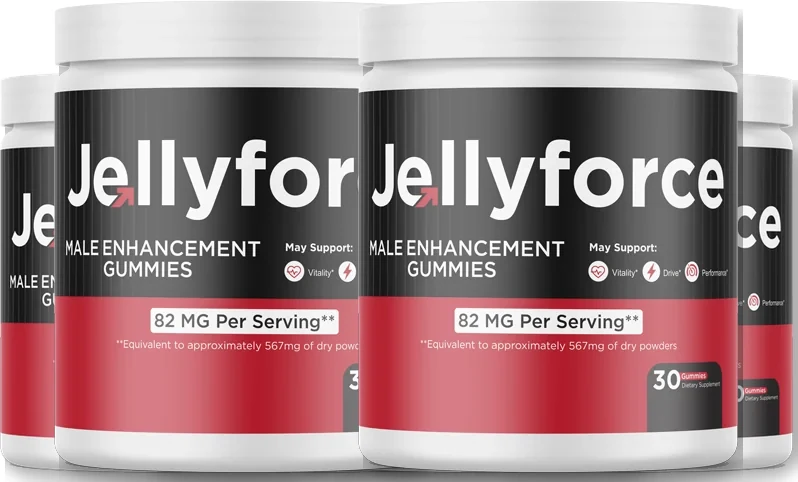
Jelly Force is a stimulant-light daily gummy built to support appetite and steadier blood sugar — the modest edge on top of the habits above. Official store pricing, free US shipping on multi-bottle bundles, and a 60-day money-back guarantee.
Order NowFrequently asked questions
How can I stop cravings naturally?
Start with meals built around protein and soluble fiber, keep meals regular so blood sugar does not crash, get seven to nine hours of sleep, and manage stress. These four levers remove most of the biology that drives cravings. A soluble fiber such as glucomannan can add a fullness cushion, but it supports habits rather than replaces them.
What supplements reduce food cravings?
The best-studied options work by increasing fullness or steadying blood sugar: soluble fiber like glucomannan, adequate protein, and, in some trials, berberine and chromium. Green tea extract may nudge appetite modestly. Effects are real but moderate, and no supplement overrides a diet built on refined carbohydrates and skipped meals.
Does fiber help with cravings?
Yes, within limits. Soluble, viscous fibers such as glucomannan absorb water and slow stomach emptying, which increases fullness and can reduce how much you eat at the next meal. Fiber does not burn fat and will not stop cravings driven by poor sleep or stress, but it is one of the more reliable appetite levers available without a prescription.
Can I control appetite without prescription drugs?
For many people, yes. GLP-1 medications are powerful and appropriate for some, but appetite is also strongly shaped by protein, fiber, sleep, stress and blood-sugar stability, all of which you can influence directly. Supplements can support that foundation. Anyone with a medical condition or significant weight to lose should still talk to a clinician.