Berberine, GLP-1 and Weight: What Berberine Weight Loss Trials Show
Does berberine really cause weight loss?
Berberine produces modest weight loss in trials, usually about 1 to 3 percent of body weight over two to three months. It works by nudging GLP-1 from gut L-cells and activating the AMPK energy pathway, an effect comparable to metformin and far below GLP-1 drugs. It is a metabolic helper, not a shortcut.
- Typical result: roughly 1 to 3 percent of body weight, similar to metformin.
- Mechanism: more GLP-1 from L-cells plus AMPK activation and better insulin sensitivity.
- Reality check: Wegovy averaged about 14.9 percent, so berberine is nowhere near that.
Search "berberine weight loss" today and you will find it crowned "nature's Ozempic" on one page and dismissed as a scam on the next. The truth sits in between, and it is more useful than either headline. Berberine is a real plant alkaloid with a genuine, decades-old research record on blood sugar and cholesterol, and a plausible route to a small amount of weight change. What it is not is a needle-free copy of a GLP-1 drug. This piece walks through the mechanism and the actual trial numbers so you can decide with the same information a cautious clinician would use.

What berberine is and where it comes from
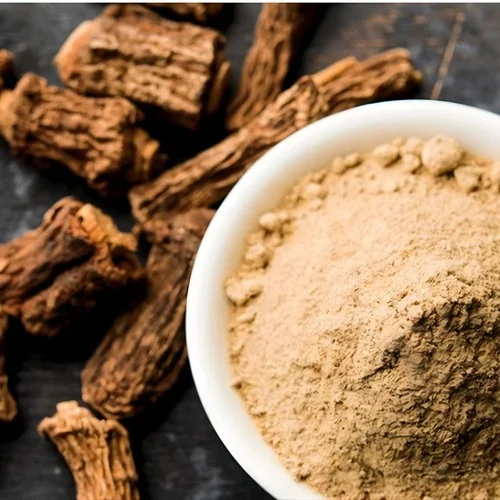
Berberine is a bright-yellow alkaloid found in plants such as goldenseal, barberry, Oregon grape and the herb Coptis chinensis, used in traditional Chinese and Ayurvedic practice for centuries. In modern research it has been studied mostly for glucose control and lipids, where its record is genuinely respectable for a botanical. The weight-loss interest came later, riding on two observations: that berberine behaves in some ways like the diabetes drug metformin, and that it appears to interact with the same GLP-1 pathway the newest weight drugs exploit.
That lineage matters because it sets honest expectations. Berberine was never a fat-loss compound that happened to help blood sugar; it is a glucose-and-lipid compound that happens to nudge weight a little as a downstream effect. The people who do best with it tend to be those whose weight is tangled up with insulin resistance in the first place.
How berberine affects GLP-1 and AMPK
Two mechanisms carry most of the story. The first is GLP-1. Berberine appears to prompt the L-cells lining the intestine to release more glucagon-like peptide-1, the same hormone the drugs mimic. GLP-1 slows stomach emptying, sharpens the insulin response to a meal and dampens appetite signalling in the brain. The catch, and it is a big one, is that your own GLP-1 is destroyed within a couple of minutes by the DPP-4 enzyme, so a berberine-driven bump is a series of small pulses rather than the steady saturation a long-acting injected drug provides.
The second mechanism is AMPK, adenosine monophosphate-activated protein kinase, a master switch cells flip when energy runs low. Activating AMPK improves insulin sensitivity, increases glucose uptake into muscle, and shifts cells toward burning fuel rather than storing it. This is the same pathway metformin leans on, which is why the two are so often compared. Between the GLP-1 nudge and the AMPK switch, berberine has a coherent metabolic story, summarised well in our overview of natural GLP-1 boosters and which ingredients genuinely nudge the hormone.
What the berberine weight loss trials actually show
Now the part the "nature's Ozempic" posts skip. Randomised and controlled human trials of berberine for weight are mostly small, run for eight to twelve weeks, and use doses around 500 mg taken two or three times a day. Across them, the weight change clusters in the low single digits: commonly a one to three percent reduction in body weight, sometimes a drop of one to two points of BMI, alongside improvements in fasting glucose, insulin resistance and triglycerides that are often more impressive than the scale movement itself.
For a person weighing 90 kilograms, one to three percent is roughly one to three kilograms over a couple of months. That is real and worth having, but it is a helper's contribution, not a transformation. The metabolic markers moving in the right direction are arguably the better reason to be interested in berberine than the weight line, and they are the reason it keeps showing up in serious reviews rather than being dismissed outright.
| Option | Class | Main mechanism | Typical weight change | How it is taken |
|---|---|---|---|---|
| Berberine | Dietary supplement | GLP-1 nudge + AMPK activation | ~1–3% over 8–12 weeks | 900–1500 mg/day, split with meals |
| Metformin | Prescription medicine | AMPK, reduced liver glucose output | ~2–3% on average | Daily, dose set clinically |
| Semaglutide (Wegovy) | Prescription GLP-1 agonist | Long-acting GLP-1 receptor agonism | ~14.9% in the STEP trial | Weekly injection |
| Tirzepatide | Prescription GIP/GLP-1 agonist | Dual incretin receptor agonism | ~15–21% depending on dose | Weekly injection |
Held next to the drugs, berberine's honest headline is a few percent, roughly metformin-sized. Anyone selling it as a substitute for a GLP-1 medicine is comparing a nudge to a lever and hoping you will not check the numbers.
A gentler metabolic assist, honestly labelled
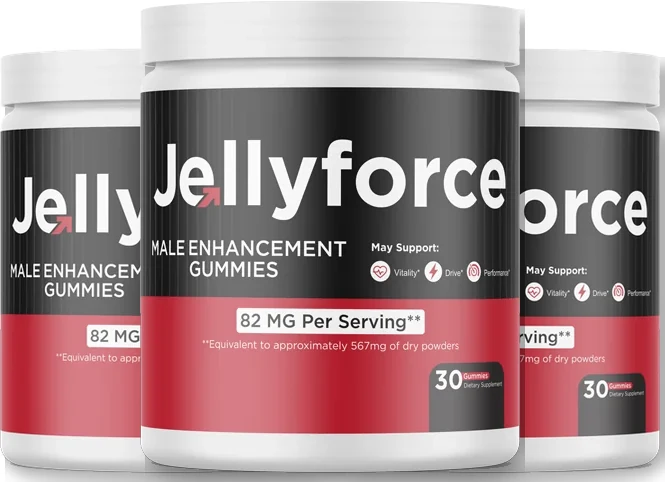
Jelly Force pairs botanicals like the ones discussed here into a daily gummy built for appetite and metabolism support, not drug-sized promises. The official store lists the current pricing, the full label and the 60-day guarantee so you can weigh it against the evidence yourself.
See The Official StoreBerberine versus metformin versus the GLP-1 drugs
The comparison people most want is berberine against semaglutide, and it is the least flattering one for berberine. In the STEP program, semaglutide averaged about 14.9 percent body-weight loss; tirzepatide has gone higher still. Those are figures a botanical simply cannot reach, because a supplement that pulses your own short-lived hormone is a different tool from an engineered agonist that keeps the receptor occupied for a week at a time.
The fairer comparison is berberine against metformin, and here it holds up as an interesting near-peer for glucose and lipid markers, with a similar modest weight signal. That is genuinely notable for an over-the-counter compound. But "similar to metformin" is a long way from "similar to Ozempic", and the two claims get blurred together constantly. If your goal is craving control rather than metabolic markers, our guide to curbing cravings without Ozempic covers levers that pair well with, and often outperform, any single capsule.
Dose, timing and the side effects nobody mentions
The studied range is roughly 900 to 1,500 mg per day, and the reason it is always split into two or three doses is not fussiness, it is tolerability. Berberine's most common side effects are gastrointestinal: cramping, constipation or diarrhoea, and a generally unhappy gut when the dose is taken all at once or pushed too high. Taking it with meals and dividing it is the difference between sticking with it and quitting in week one.
The interactions matter more than the stomach upset. Berberine can amplify blood-sugar-lowering medication, raising the risk of hypoglycaemia, and it inhibits enzymes and transporters involved in clearing many common drugs, which can push their levels up. It should be avoided in pregnancy and while nursing, partly over concerns about a compound it can raise called bilirubin in newborns. None of this makes berberine dangerous for a healthy adult at a sensible dose, but all of it makes "check with your clinician first" a genuine instruction rather than a legal reflex.
Three myths to retire
Myth one: berberine is nature's Ozempic. It shares a pathway, not an effect size. A few percent is not fifteen percent, and repeating the slogan does not change the arithmetic.
Myth two: more is better. Above the studied range you buy side effects, not results. The gut tolerates divided doses with food; it rebels against megadoses.
Myth three: because it is a plant, it is free of interactions. Berberine is one of the more pharmacologically active botanicals on the shelf, and that activity is exactly why it interacts with medicines. Natural origin and a clean interaction profile are not the same thing.
How to use berberine sensibly, and where Jelly Force fits
If your weight is entangled with insulin resistance, berberine is one of the more defensible supplements to trial, at a studied dose, split with meals, for a fair eight-to-twelve-week window, with your clinician aware of it. Judge it on fasting glucose and how meals sit as much as on the scale, and pair it with the basics that do the heavy lifting: adequate protein, soluble fibre, resistance training and sleep. Berberine rewards a good routine; it cannot rescue a poor one.
Jelly Force takes the same restrained approach in gummy form, combining botanicals chosen for a plausible appetite or metabolism mechanism at doses it is willing to print, and selling the result with plain talk about what a supplement can and cannot do. It will not out-perform a prescription, and we do not pretend it will; it is there for the person who wants a gentle, honestly labelled daily assist. The full Jelly Force ingredients breakdown shows which components carry human evidence and which earn their place on taste and stability alone.
Related reading
See the current Jelly Force price
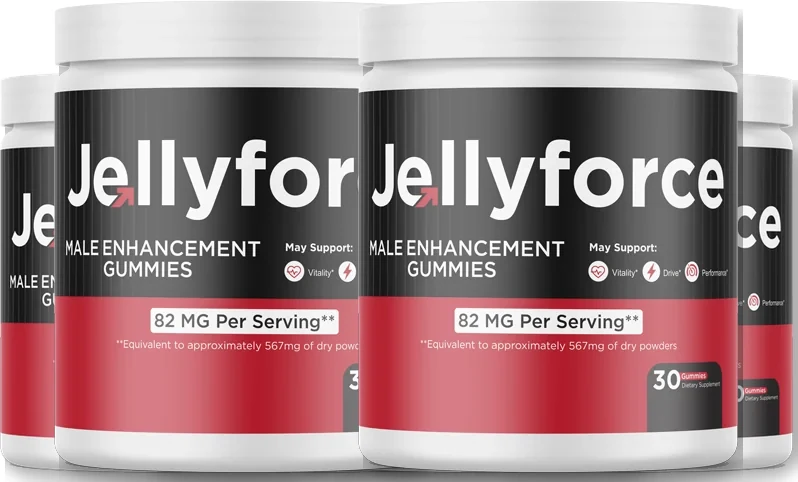
Official store pricing, free US shipping on 3 and 6 bottles, and a 60-day money-back guarantee. We publish the label arithmetic beside the ingredient evidence so nothing rests on a slogan.
Order NowFrequently asked questions
How much weight can berberine help you lose?
Randomised trials generally show berberine users losing roughly 1 to 3 percent of body weight over eight to twelve weeks, which for many people is a few pounds. That is comparable to metformin and far below GLP-1 drugs like Wegovy, which averaged about 14.9 percent. Berberine is a modest metabolic helper, not a weight-loss drug.
How does berberine affect GLP-1?
Berberine appears to prompt intestinal L-cells to release more GLP-1, the appetite and blood-sugar hormone, while also activating AMPK, a cellular energy sensor that improves insulin sensitivity and glucose handling. Together these actions can steady blood sugar and gently reduce appetite, though the GLP-1 rise is short-lived because the body clears the hormone within minutes.
Is berberine as good as Ozempic?
No. Ozempic delivers a long-acting GLP-1 receptor agonist at a pharmaceutical dose and produces large, sustained weight loss in trials. Berberine nudges your own GLP-1 briefly and yields far smaller changes, on the order of a few percent. It is sometimes called nature's Ozempic, but the effect sizes are not in the same league.
What is the berberine dose for weight?
Most trials used 900 to 1,500 mg of berberine per day, split into two or three doses taken with meals to limit stomach upset. Going higher rarely adds benefit and usually adds cramping and diarrhoea. Because berberine interacts with several medications, confirm the dose and timing with a clinician before starting.
References
- NCCIH (NIH) — Berberine and weight loss: what the science says
- PubMed — Berberine and body weight, randomised controlled trials
- NEJM — STEP trial of once-weekly semaglutide for weight management
- NIDDK (NIH) — Metformin and prevention of type 2 diabetes
- NIH Office of Dietary Supplements — Dietary Supplements: What You Need to Know