Boost Metabolism After 40: Supplement Support That Works
How do I boost metabolism after 40?
To boost metabolism after 40, build and protect muscle with resistance training, eat enough protein, stay active through daily movement, and prioritize sleep. These habits do the heavy lifting. Supplements such as green tea, chromium and berberine offer only modest support on top, and consistency over months beats any quick fix or single pill.
- Foundation: resistance training plus adequate protein to preserve calorie-hungry muscle.
- Underrated: sleep and daily movement, which shape appetite and energy use.
- Modest add-ons: green tea, chromium and berberine — helpers, not engines.
If you want to boost metabolism after 40, the first useful thing to know is that your metabolism probably has not collapsed the way the internet claims. The exhaustion, the creeping weight, the sense that the same habits no longer work — those are real. But the cause is more fixable than “my metabolism is broken” suggests, and understanding what actually shifts with age is what lets you do something about it instead of chasing miracle fixes.
This is a realistic, non-magical guide. We will cover why the felt slowdown happens, the four habits that genuinely move resting energy use, and exactly where supplements — including appetite-supporting botanical formulas — fit into the picture. No promises of melting fat while you sleep. Just the levers that work and the honest size of each one.
Does metabolism really slow after 40?
Here is the twist that reframes the whole conversation. Large research pooling data across thousands of people found that, once you account for body size, resting energy expenditure stays remarkably stable from your twenties all the way into your sixties. In other words, per pound of living tissue, your engine is not idling lower at 45 than it was at 25.
So why does it feel like everything slowed down? Because the tissue itself changes. From your forties onward, most people gradually lose muscle — a process called sarcopenia — and muscle is metabolically expensive, burning more calories at rest than the fat that tends to replace it. At the same time, hormonal shifts (in both men and women), a quiet decline in day-to-day movement, and often worse sleep all stack up. The result is a smaller calorie budget that arrives without any dramatic change in the number on the metabolic dashboard.
This matters enormously for strategy. If the real problem is muscle loss and lifestyle drift rather than a broken metabolism, then the fix is to rebuild the muscle and reverse the drift — not to hunt for a pill that “restarts” a system that was never off.
The four habits that actually boost metabolism after 40
Before a single supplement enters the conversation, these are the levers that carry the load. They are unglamorous, they are free, and nothing on a supplement shelf outperforms them.
- Resistance training. Lifting weights, resistance bands or bodyweight work is the single most direct way to rebuild the calorie-hungry muscle you have been losing. Two to three sessions a week is enough to change your body composition over months.
- Protein. Adequate protein preserves and builds muscle and keeps you fuller between meals. Most people over 40 eat too little of it, and spreading it across the day helps more than one big hit.
- Daily movement (NEAT). The calories you burn walking, fidgeting, taking stairs and standing add up to more than most structured workouts. This is the first thing that silently declines with age and the easiest to rebuild.
- Sleep. Short or poor sleep worsens appetite hormones and insulin handling, making you hungrier and more prone to store fat. Fixing sleep is one of the most underrated metabolic interventions there is.
Get those four humming and you have done ninety percent of the work. Everything that follows is the last ten percent — useful, but only once the foundation is in place.
Where supplements realistically fit
Now the honest part about supplements, because this is where most articles either oversell or dismiss them entirely. The truth sits in between: a handful of ingredients have genuine, if modest, research behind them, and their value is real precisely because it is small and specific.
- Protein powder. Not exciting, but the most evidence-backed “supplement” for this goal, because it makes hitting your protein target easy, which protects muscle.
- Caffeine and green tea catechins. Both produce a small, temporary rise in energy expenditure and can modestly support fat oxidation. Real, measurable, and minor — a nudge, not a transformation.
- Chromium. Studied mainly for supporting normal blood-sugar handling, which can help with the cravings side of eating patterns.
- Berberine. The most interesting of the group, with human trial data on metabolic markers, though it needs care around medication. Our deep dive on berberine, GLP-1 and weight: what the trials show lays out both the promise and the caveats.
- Soluble fiber. Fibers like glucomannan support appetite control by promoting fullness, which is really about helping you sustain a calorie deficit rather than boosting burn directly.
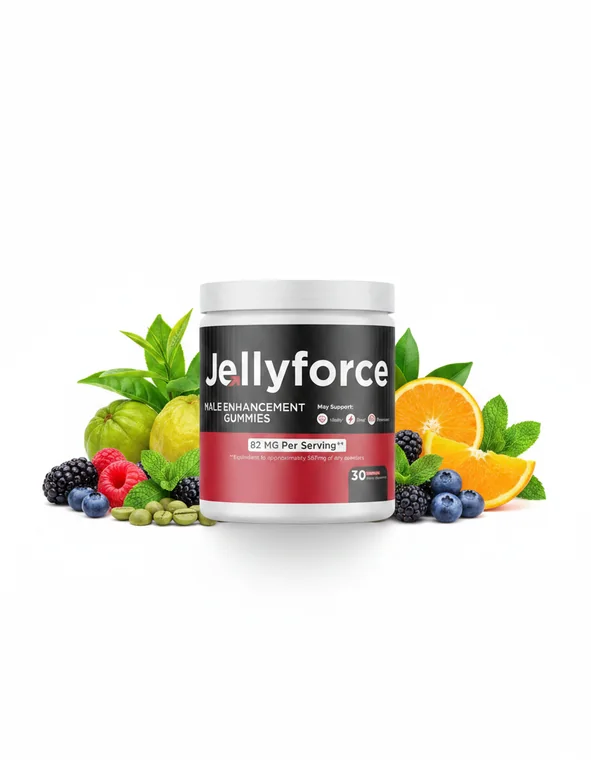
Notice the pattern: none of these are engines. They are helpers that make the real work — eating a bit less, moving a bit more, keeping muscle — easier to stick with. That framing is the whole game. A formula like Jelly Force combines appetite-supporting fiber with supporting botanicals in a convenient gummy, and its honest role is exactly that: a consistency aid wrapped around habits that do the heavy lifting. If cravings are your specific sticking point, our guide to curbing cravings without Ozempic goes deeper on that lever.
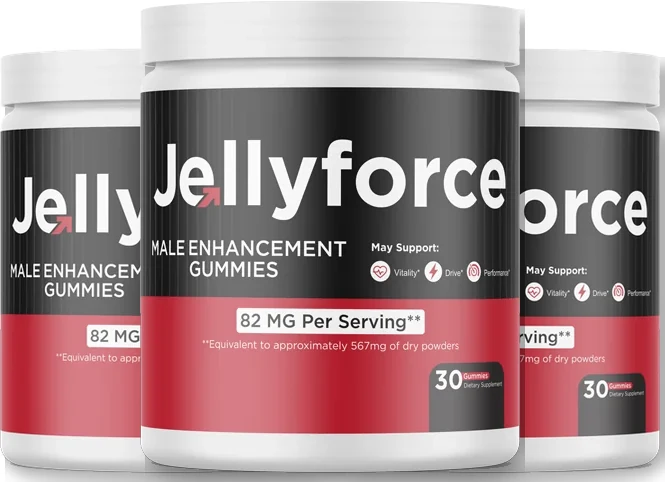
See how Jelly Force supports appetite control
If a fiber-based, appetite-supporting gummy would make your calorie deficit easier to hold, the official store lays out the full formula, current pricing and the money-back guarantee.
See The Official StoreThree myths that waste your money after 40
The metabolism-after-40 market runs on a few persistent myths. Clearing them out saves you both cash and disappointment.
Myth 1: A supplement can “rev up” a slow metabolism. No pill meaningfully raises your resting metabolic rate for long. The temporary bumps from caffeine or green tea are small and fade. Anything promising a dramatic metabolic overhaul in a bottle is selling a story.
Myth 2: Eating less and less is the answer. Aggressive crash diets backfire after 40 because they burn muscle along with fat, which lowers your calorie budget further. A moderate deficit with high protein and resistance training protects the very tissue that keeps your metabolism up. Under-eating is the opposite of the strategy you want.
Myth 3: It is all about hormones, so nothing else matters. Hormonal shifts are real, and worth discussing with your doctor, but they are one factor among several. Muscle, protein, movement and sleep remain within your control and account for most of the day-to-day difference. Waiting for a hormonal fix while ignoring the basics is how years slip by.
Men, women and the hormone question after 40
Hormonal change is the part of the after-40 story people most want to blame, and it does play a role — just not the all-or-nothing one the headlines imply. For women, the transition through perimenopause and menopause shifts where fat is stored and can make appetite and sleep harder to manage, which indirectly affects the calorie budget. For men, a gradual decline in testosterone can make muscle slightly harder to hold onto. In both cases the effect is real but gradual, and it works through the same levers we have already covered: muscle, appetite, sleep and activity.
That is genuinely good news, because it means the response is the same regardless of which hormones are shifting. Resistance training defends muscle against the hormonal headwind. Protein and sleep steady appetite. If you suspect a specific hormonal issue — unusual fatigue, big changes in mood or cycle, or rapid unexplained weight change — that is a conversation for your doctor and possibly a blood panel, not a supplement label. A gummy cannot diagnose or correct a hormone problem, and any product implying it can is overreaching. What a supplement can honestly do is support the controllable habits around the edges.
The realistic promise is not a rebuilt metabolism. It is a calorie budget you can widen with muscle and habits, and a couple of modest supplements that make the plan easier to keep — over months, not days.
A simple 40-plus metabolism plan you can actually follow
Pulling it together into something you can start this week, in order of impact:
- Lift twice a week. Full-body resistance sessions to rebuild muscle. This is non-negotiable and the highest-leverage move on the list.
- Anchor each meal with protein. Aim for a solid protein source at every meal to protect muscle and blunt hunger.
- Add 2,000–3,000 steps a day. Rebuild the daily movement that quietly disappeared. Walk calls, take stairs, park further away.
- Protect your sleep. A consistent schedule and a dark, cool room do more for appetite control than most supplements.
- Layer supplements last. Once the above are habits, an appetite-supporting formula or a metabolic botanical can make the deficit easier to sustain. If you want the full menu of options here, our overview of appetite-suppressant supplements that actually work compares them honestly.
Run that for three months and judge by how your clothes fit and how strong you feel, not by the scale on any single morning. The people who succeed after 40 are almost never the ones who found a magic pill — they are the ones who got consistent with boring fundamentals and used supplements as the supporting cast they are.
Related reading
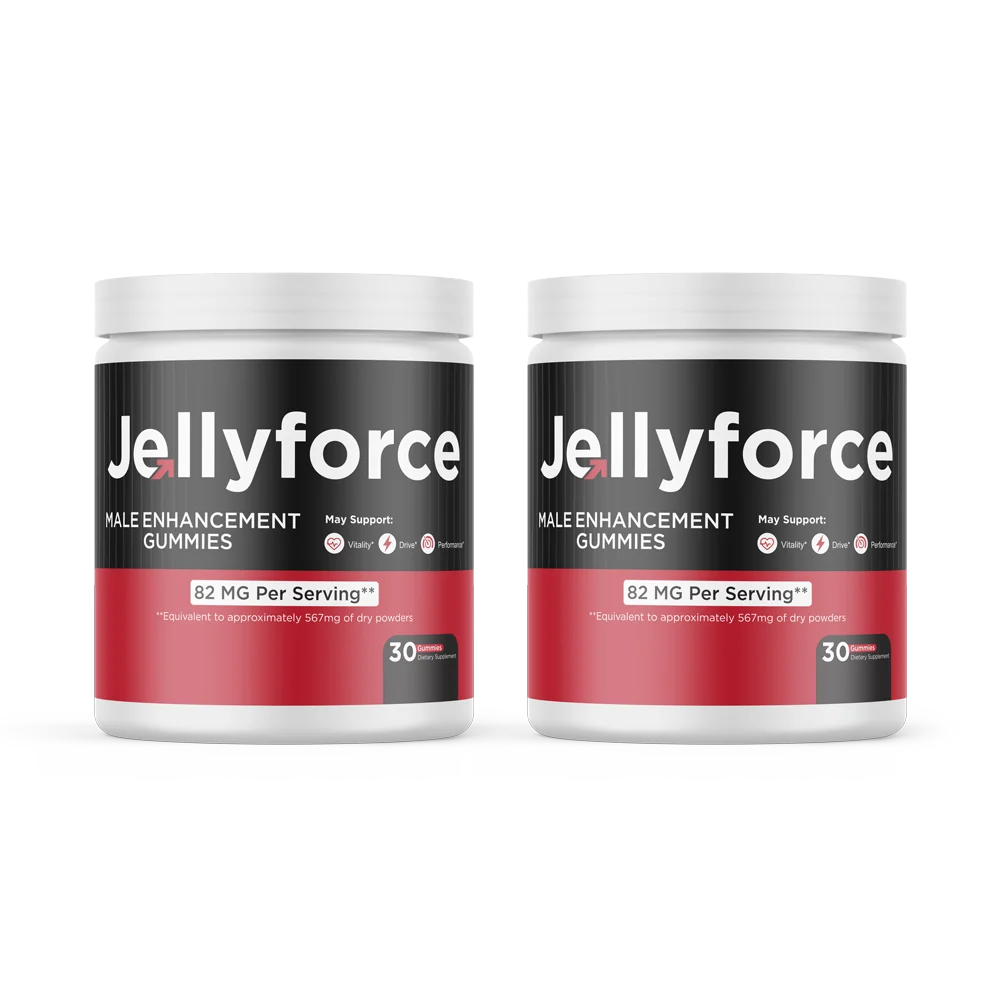
Support your plan with Jelly Force
Official store pricing, free US shipping on multi-bottle bundles, and a 60-day money-back guarantee. A fiber-based gummy that supports appetite control can make an over-40 calorie deficit far easier to hold.
Order NowFrequently asked questions
Does metabolism really slow after 40?
Somewhat, but less dramatically than most people assume. Large studies suggest resting energy expenditure per pound of tissue is fairly stable from your 20s into your 60s. What usually changes after 40 is body composition: you lose muscle, which burns more calories than fat, while hormones and activity levels shift. So the felt slowdown is real, but it is mostly muscle loss and lifestyle rather than your engine breaking.
What supplements help metabolism after 40?
No supplement rebuilds a metabolism, but a few offer modest support alongside good habits. Protein powders help you hit the intake that preserves muscle; caffeine and green tea catechins give a small, temporary rise in energy expenditure; chromium may support blood-sugar handling; and berberine has trial evidence for metabolic markers. Fiber-based formulas support appetite control. Treat all of them as helpers, not engines.
Can you lose weight after 40 with supplements?
Supplements alone rarely move the needle much. Weight loss after 40 still comes down to a sustained calorie deficit, enough protein and resistance training to protect muscle, and adequate sleep. Within that framework, an appetite-supporting or metabolic supplement can make the deficit easier to maintain, which is where its real value lies. Consistency beats any single product.
How do I speed up metabolism naturally?
The highest-leverage moves are building and keeping muscle through resistance training, eating enough protein, staying active through daily movement, and prioritizing sleep, since poor sleep worsens appetite and insulin handling. Staying hydrated and not crash-dieting also help, because very low-calorie diets can reduce muscle and drive down expenditure. These basics outperform any pill.