Jelly Force Official Website › Guides
GuidesJelly Force Guides: Two Long Reads About The Category
Two articles about men's vitality supplements as a category rather than about one bottle.
The first covers what the category is for, what the evidence actually supports and what the words on these labels mean. The second is a buying checklist, and it scores this product against its own criteria at the end.
Both are written from the same citation set as the rest of this website and neither is a sales page.
The two Jelly Force category guides
Why a retail desk publishes category guides at all
Because the most useful thing a page like this can do for somebody is make them a better reader of every other page in the aisle.
A buyer who knows that the maca trials ran at grams, that catuaba is a trade name rather than a species, and that a doctor-formulated roundel usually names nobody, will read the next bottle they pick up differently. That happens to be good for this product on some criteria and bad for it on others, and both are printed.
The alternative, a guide that concludes this bottle is the right answer, would be a sales page with footnotes. The checklist in the second article gives Jelly Force full marks on five criteria, partial marks on two and none on two, which is roughly what an honest checklist does to most products.
What is in the first guide
Six sections and a table. The table is the useful part: six ingredients that appear across this category, what the published trials used, and what those trials found, with the paper behind every row.
Around it the article covers four things. What people are actually buying in this aisle, and the difference between a wellbeing purchase and a clinical problem. Why the amount is the whole problem, with the 2023 market analysis that scored twenty of twenty-five marketed products as having no expected efficacy. A translation table for the words these labels use, from proprietary blend to doctor formulated. And where the real risk in the category sits, which is adulteration rather than botanicals.
It ends with a section on what moves these outcomes more than any supplement does, which is the paragraph most guides in this category leave out.
What is in the second guide
Nine questions and a scorecard. The questions are ordered by how much they tell you, and the first four are about the label rather than about the seller, because the label is the only document that travels with the bottle.
The article explains why each question is on the list, then applies all nine to Jelly Force and prints the answers. On the label half one clear yes, one partial and two no; a partial on species identity; four clear yes answers on the seller half.
It closes with four questions that are deliberately not on the checklist, and the reasoning for leaving each one off. Is it third-party tested, does it have good reviews, is it natural, is it cheap: all four are asked constantly in this aisle and none of them separates a good bottle from a bad one.
Which one to read first
If you are deciding whether to buy anything in this category at all, read the first one. It is about the evidence, it is the longer of the two, and it will tell you whether the category is likely to do what you want.
If you have already decided and are choosing between bottles, read the second. It is a working checklist rather than an argument, and the first four questions eliminate most of a shelf in about two minutes.
If you are specifically here about Jelly Force, the ingredients page is the faster route to the same material, and the amount table on it is the single most useful block on this website.
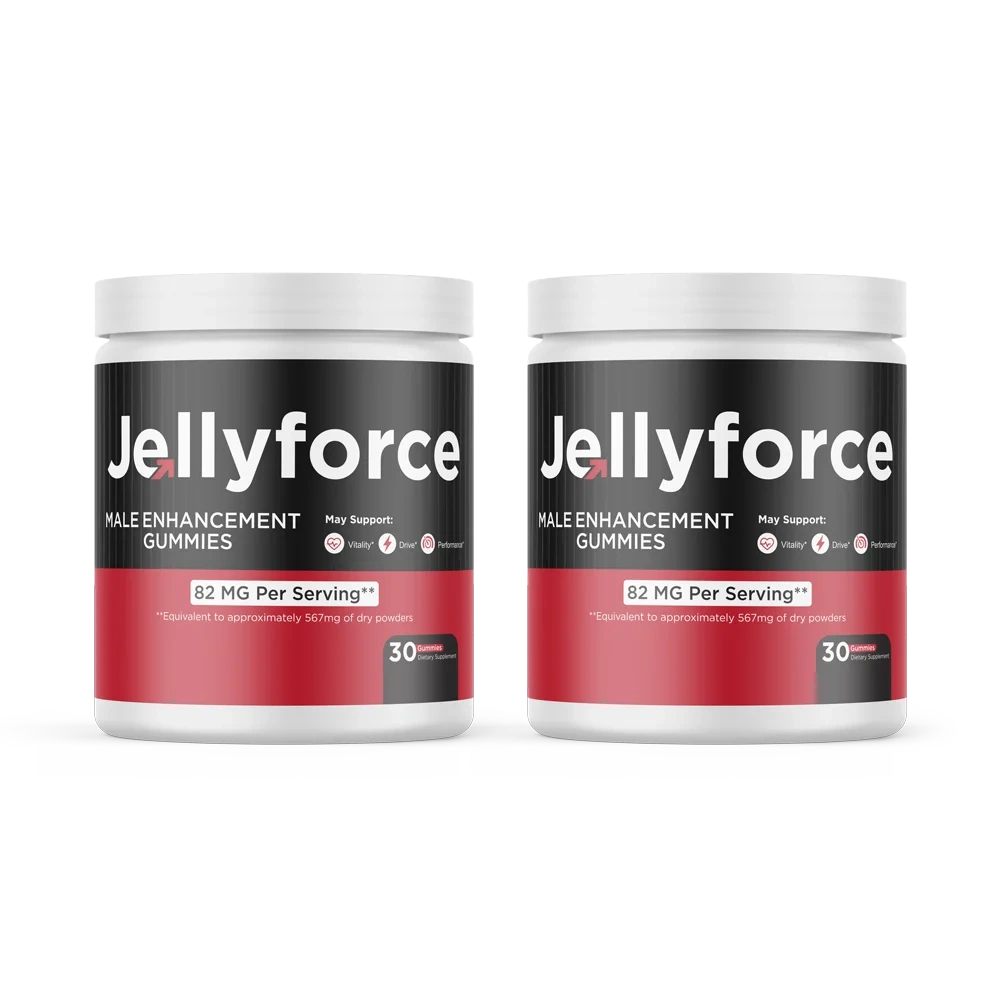
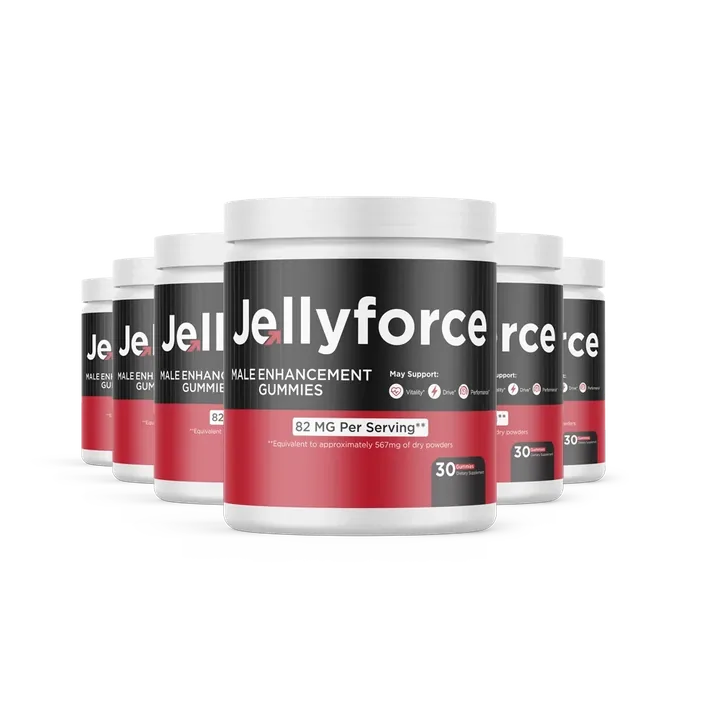
Read the guides, then look at Jelly Force
The checklist in the second one is worth applying to any bottle in this aisle, including this one.
Two, three or six bottles · price at the seller’s checkout · 60-day money-back guarantee
Order Jelly Force On The Official Website30 gummies a bottle · lot JEL-26/JE-1619 · ships from the U.S.