Jelly Force Official Website › Side Effects
Side EffectsDoes Jelly Force Have Side Effects? Interactions Named One By One
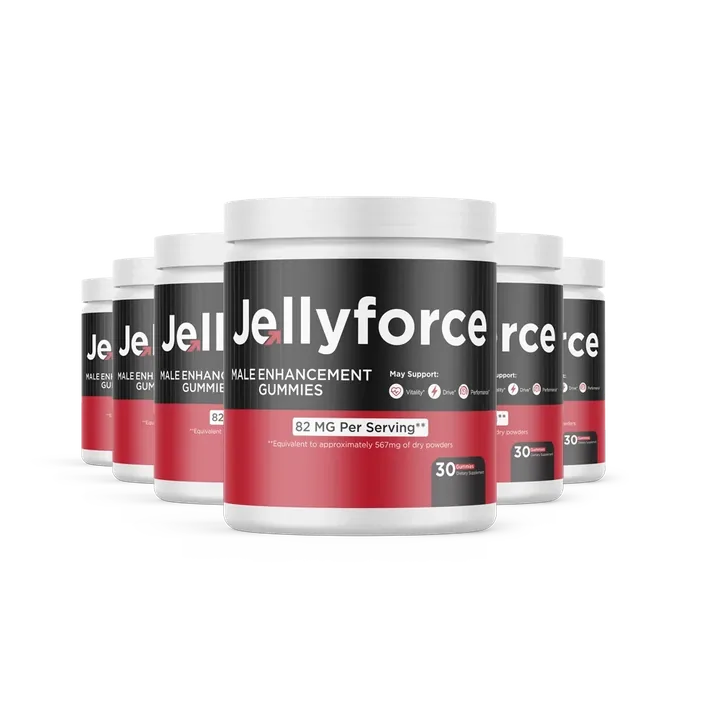
Jelly Force is a dietary supplement and nothing on its label is a prescription drug.
The questions worth asking are about combinations. L-arginine adds to a nitrate or a blood-pressure medicine; horny goat weed acts on the enzyme ED prescriptions block; green tea has lowered two blood-pressure drugs in studies. Ashwagandha carries a published liver signal, and each gummy holds 5 mg of caffeine.
This is the page whose subject is caution, so this is where the cautions live rather than being scattered through twenty-five others.
The Jelly Force interactions that matter, in order
Nitrates, first and most important
Glyceryl trinitrate, isosorbide and the rest widen blood vessels. So does nitric oxide, and L-arginine is its substrate. Adding one to the other is the combination to establish before starting, not after.
Prescriptions for erectile dysfunction
Sildenafil, tadalafil and the rest block PDE-5. Horny goat weed’s icariin inhibits that enzyme too in laboratory work, needing about eighty times sildenafil’s concentration (Dell'Agli 2008). Nobody has measured what this gummy delivers. The overlap still matters because of what PDE-5 drugs do to blood pressure: they are never combined with a nitrate, and they add to other blood-pressure medicines (Schwartz 2010). Settle this combination first.
Blood-pressure medication
Same logic as the nitrates, one step milder. A vasodilator on top of an antihypertensive can take blood pressure lower than intended. Worth a conversation, and worth knowing that the arginine trials reported adverse effects at 8.3 per cent against 2.3 per cent on placebo, none severe.
Nadolol or lisinopril, and green tea
Green tea went the other way in two small human studies: it cut nadolol exposure by about 85 per cent (Misaka 2014) and lisinopril by two thirds (Misaka 2021), at amounts well above anything an 82 mg blend can hold. On either drug, ask before adding it.
Sedatives and sleep medication
Ashwagandha is mildly sedating for some people. Taken with a prescription sedative the two add, which is a reason to know rather than a reason to avoid.
Thyroid medication
Ashwagandha has thyroid activity, and anyone whose thyroid is already being managed with a prescription has a dose to protect.
Diabetes medication
Several botanicals in this family move blood glucose modestly, and each gummy adds 3 g of sugar. Anyone monitoring theirs should keep monitoring it for the first fortnight.
Caffeine
5 mg a gummy, on the panel and missing from the advertising. Small next to coffee, and a systematic review found no overt harm up to 400 mg a day in healthy adults (Wikoff 2017); it still counts for anybody told to avoid caffeine altogether.
Anything already sold for the same purpose
Stacking two products in this category doubles the unknowns rather than the effect, and it makes any reaction impossible to attribute.
The ashwagandha liver signal, stated plainly for Jelly Force buyers
Two published case series describe liver injury after ashwagandha. The first collected five cases, three from Iceland and two from the US drug-induced liver injury network (Bjornsson 2020). Mean age was 43. Every patient developed jaundice, with nausea, lethargy, itching or abdominal discomfort, two to twelve weeks after starting. The injury was cholestatic or mixed, the itching and raised bilirubin lasted five to twenty weeks, nobody developed liver failure, and liver tests returned to normal within one to five months in the four patients followed up. Chemical analysis confirmed ashwagandha in the supplements available.
A second series from India, with a literature review, reported the same pattern (Philips 2023).
This is uncommon. It is also documented, reproducible across two countries, and the sort of thing a page like this exists to print. The practical version: jaundice, dark urine, persistent itching or right-sided abdominal pain after starting any ashwagandha product is a reason to stop it and get liver tests, and the NCCIH summary of ashwagandha safety says the same thing in fewer words.
Green tea extract is the second name on this panel with a liver literature. A United States Pharmacopeia review ties the rare cases to 140 mg to about 1,000 mg of EGCG a day, and found that extract taken on an empty stomach raises EGCG exposure (Oketch-Rabah 2020); the whole blend here is 82 mg. Horny goat weed, by contrast, has not been linked to liver injury, on the NIDDK’s own monograph (LiverTox).
What a Jelly Force gummy carries besides the botanicals
The panel names the base: corn syrup, cane sugar, water, apple pectin, sorbitol liquid, natural flavors, citric acid, sodium citrate dihydrate. Apple pectin is the gelling agent; there is no gelatin. That is the trade for the format, and it has three practical consequences worth naming.
First, sugar: 3 g of added sugar a gummy, 6 per cent of the daily value, and 10 calories. Sorbitol, a sugar alcohol that is laxative in quantity, is listed after the pectin, so there is less of it than of the gelling agent. Second, texture and teeth: a chewable spends longer in contact with enamel than a capsule does, which is an argument for taking it with a morning routine that ends in brushing. Third, heat: gummies soften and stick in a hot car or a sunny window, which is a storage note rather than a safety one.
The thin safety records on the Jelly Force panel
Muira puama's human safety record is thin because its human record is thin generally. The published work is animal work, including an anti-stress study in mice at 100 to 300 mg per kilo (Piato 2010), plus chemistry and ethnobotany.
Catuaba is a step further back. Fourteen commercial preparations examined in Vienna produced a majority that were adulterated with other material and half that contained tropane alkaloids at varying concentrations (Kletter 2004). Tropane alkaloids are a class worth knowing by name, because it includes atropine and scopolamine, and concentration is the whole question with them.
Horny goat weed has a published case letter describing a fast heart rhythm and hypomania after taking it (Partin 2004), and tribulus a case report of severe jaundice followed by kidney injury in a young man (Ryan 2015). Two reports are not a rate: the tribulus trials themselves found side effects no more often than on placebo (Kamenov 2017).
None of those is a finding about this bottle, whose supplier this desk cannot audit. All are reasons why a reader with a reaction to any product carrying these names should stop it, keep the bottle and treat the ingredient as an unknown quantity rather than as a known one.
The category risk that is not about Jelly Force at all
The real hazard in this aisle is adulteration. Eighty different synthetic phosphodiesterase-5 inhibitors have been identified as adulterants in dietary supplements to date: fifty sildenafil analogues, twenty-one tadalafil analogues, seven vardenafil analogues and two others (Kee 2018). A four-year screening programme of the online and offline markets kept finding them (Lee 2019).
That is a risk about sellers rather than about botanicals, and the protection is procedural: a named seller, a traceable order, a lot number on the bottle, and the FDA sexual enhancement product notifications before buying anything in this category from a source you do not recognise.
Jaundice, dark urine, persistent itching, right-sided abdominal pain, a rash, swelling of the face or throat, or any reaction that is new since starting. Stop the gummy, keep the bottle and the lot number, and seek medical advice. Report it to this desk as well on +1 (302) 200-3480 so the batch is on record.
Reporting a Jelly Force reaction, and why it is worth the phone call
Two places, and both are quick.
This desk first, on +1 (302) 200-3480, with the lot number off the base of the bottle. A reaction recorded against a lot is a data point; a reaction nobody reports is nothing at all, and lot JEL-26/JE-1619 is the reference this batch is filed under.
The FDA's MedWatch programme second, which is where adverse events in dietary supplements are collected nationally. It takes a few minutes, it does not require a clinician to file it, and the two published ashwagandha liver series exist because people reported into systems like it.
Keep the bottle rather than throwing it away. If a question ever arises about what was in it, the bottle is the only physical evidence there is.
Sources behind this Jelly Force page
Every source below was pulled from PubMed by identifier and checked against the retraction index before it was printed here.
- Piato AL, Detanico BC, Linck VM, Herrmann AP, Nunes DS, Elisabetsky E. Anti-stress effects of the 'tonic' Ptychopetalum olacoides (Marapuama) in mice. Phytomedicine. 2010;17(3-4):248-53. PMID 19682881. https://pubmed.ncbi.nlm.nih.gov/19682881/
- Kletter C, Glasl S, Presser A, et al. Morphological, chemical and functional analysis of catuaba preparations. Planta Med. 2004;70(10):993-1000. PMID 15490329. https://pubmed.ncbi.nlm.nih.gov/15490329/
- Bjornsson HK, Bjornsson ES, Avula B, et al. Ashwagandha-induced liver injury: A case series from Iceland and the US Drug-Induced Liver Injury Network. Liver Int. 2020;40(4):825-829. PMID 31991029. https://pubmed.ncbi.nlm.nih.gov/31991029/
- Philips CA, Valsan A, Theruvath AH, et al. Ashwagandha-induced liver injury - A case series from India and literature review. Hepatol Commun. 2023;7(10). PMID 37756041. https://pubmed.ncbi.nlm.nih.gov/37756041/
- Rhim HC, Kim MS, Park YJ, et al. The Potential Role of Arginine Supplements on Erectile Dysfunction: A Systemic Review and Meta-Analysis. J Sex Med. 2019;16(2):223-234. PMID 30770070. (Erratum: J Sex Med. 2020;17(3):560.) https://pubmed.ncbi.nlm.nih.gov/30770070/
- Kamenov Z, Fileva S, Kalinov K, Jannini EA. Evaluation of the efficacy and safety of Tribulus terrestris in male sexual dysfunction - A prospective, randomized, double-blind, placebo-controlled clinical trial. Maturitas. 2017;99:20-26. PMID 28364864. https://pubmed.ncbi.nlm.nih.gov/28364864/
- Ryan M, Lazar I, Nadasdy GM, Nadasdy T, Satoskar AA. Acute kidney injury and hyperbilirubinemia in a young male after ingestion of Tribulus terrestris. Clin Nephrol. 2015;83(3):177-83. PMID 25295577. https://pubmed.ncbi.nlm.nih.gov/25295577/
- Dell'Agli M, Galli GV, Dal Cero E, et al. Potent inhibition of human phosphodiesterase-5 by icariin derivatives. J Nat Prod. 2008;71(9):1513-7. PMID 18778098. https://pubmed.ncbi.nlm.nih.gov/18778098/
- Partin JF, Pushkin YR. Tachyarrhythmia and hypomania with horny goat weed. Psychosomatics. 2004;45(6):536-7. PMID 15546831. https://pubmed.ncbi.nlm.nih.gov/15546831/
- LiverTox: Clinical and Research Information on Drug-Induced Liver Injury. Horny Goat Weed. Bethesda (MD): National Institute of Diabetes and Digestive and Kidney Diseases; 2012, updated 2022. PMID 35998248. https://pubmed.ncbi.nlm.nih.gov/35998248/
- Schwartz BG, Kloner RA. Drug interactions with phosphodiesterase-5 inhibitors used for the treatment of erectile dysfunction or pulmonary hypertension. Circulation. 2010;122(1):88-95. PMID 20606131. https://pubmed.ncbi.nlm.nih.gov/20606131/
- Misaka S, Yatabe J, Muller F, et al. Green tea ingestion greatly reduces plasma concentrations of nadolol in healthy subjects. Clin Pharmacol Ther. 2014;95(4):432-8. PMID 24419562. https://pubmed.ncbi.nlm.nih.gov/24419562/
- Misaka S, Ono Y, Uchida A, et al. Impact of Green Tea Catechin Ingestion on the Pharmacokinetics of Lisinopril in Healthy Volunteers. Clin Transl Sci. 2021;14(2):476-480. PMID 33048477. https://pubmed.ncbi.nlm.nih.gov/33048477/
- Oketch-Rabah HA, Roe AL, Rider CV, et al. United States Pharmacopeia (USP) comprehensive review of the hepatotoxicity of green tea extracts. Toxicol Rep. 2020;7:386-402. PMID 32140423. https://pubmed.ncbi.nlm.nih.gov/32140423/
- Wikoff D, Welsh BT, Henderson R, et al. Systematic review of the potential adverse effects of caffeine consumption in healthy adults, pregnant women, adolescents, and children. Food Chem Toxicol. 2017;109(Pt 1):585-648. PMID 28438661. https://pubmed.ncbi.nlm.nih.gov/28438661/
- Kee CL, Ge X, Gilard V, Malet-Martino M, Low MY. A review of synthetic phosphodiesterase type 5 inhibitors (PDE-5i) found as adulterants in dietary supplements. J Pharm Biomed Anal. 2018;147:250-277. PMID 28903860. https://pubmed.ncbi.nlm.nih.gov/28903860/
- Lee JH, Park HN, Park OR, Kim NS, Park SK, Kang H. Screening of illegal sexual enhancement supplements and counterfeit drugs sold in the online and offline markets between 2014 and 2017. Forensic Sci Int. 2019;298:10-19. PMID 30870700. https://pubmed.ncbi.nlm.nih.gov/30870700/
- U.S. Food and Drug Administration. Sexual Enhancement and Energy Product Notifications. Medication Health Fraud Notifications, Center for Drug Evaluation and Research. https://www.fda.gov/drugs/medication-health-fraud-notifications/sexual-enhancement-and-energy-product-notifications
- National Center for Complementary and Integrative Health. Ashwagandha: Usefulness and Safety. U.S. Department of Health and Human Services. https://www.nccih.nih.gov/health/ashwagandha
Order Jelly Force with the interactions checked first
Sixty days from purchase, so a bottle that turns out not to suit you is not a bottle you are stuck with.
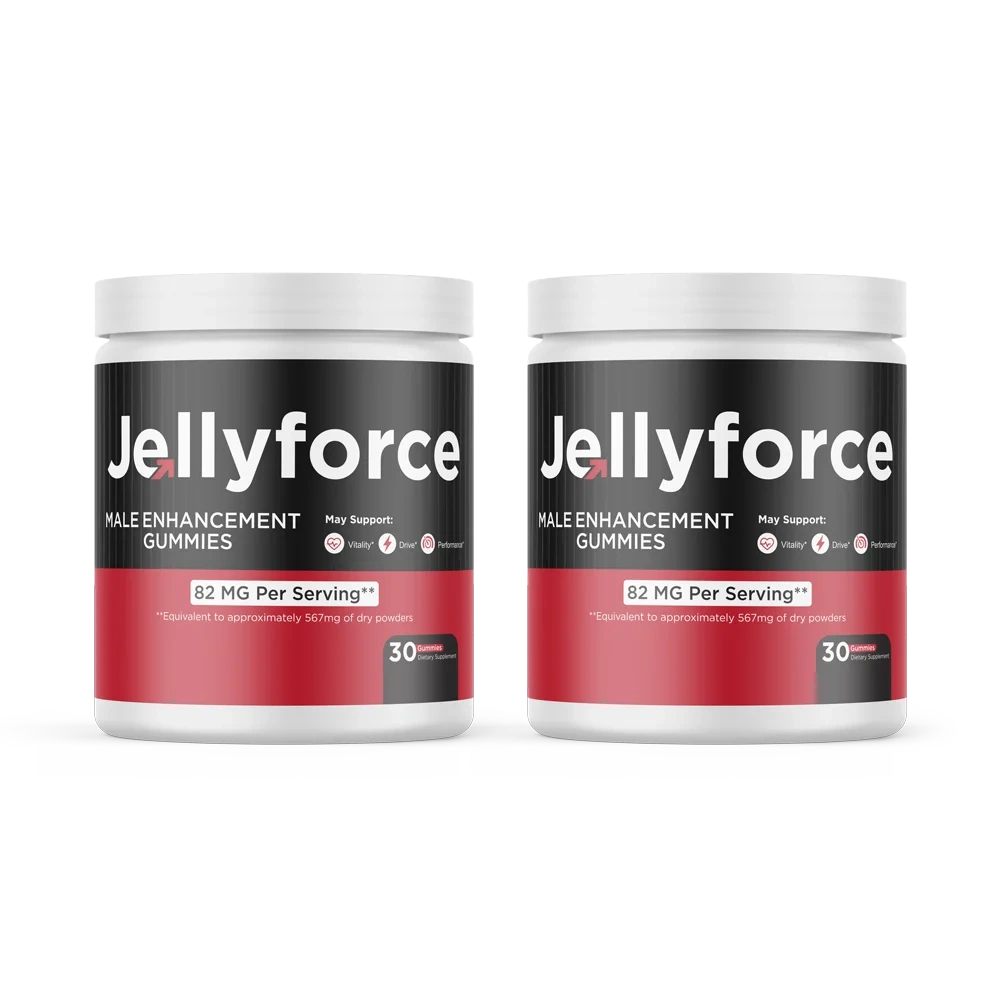
Two, three or six bottles · price at the seller’s checkout · 60-day money-back guarantee
Order Jelly Force On The Official Website30 gummies a bottle · lot JEL-26/JE-1619 · ships from the U.S.